
Hospital Bag Must-Haves for Picture-Perfect Newborn Photos
2 weeks ago • 14 min read
Newborn Boy Edition
At 28 weeks pregnant, my water broke. I had nothing packed. No bag by the door, no list, no plan — I hadn’t let myself think that far ahead yet. My partner was out of state on a business trip, so my best friend drove me to the hospital, and I ended up staying there a full week before my tiny baby was born. My version of “scrambling” looked like directing people over the phone to where things were in my apartment, since I couldn’t get any of it myself. I had basically nothing. By the time we took photos a few weeks into our NICU stay, what we had on hand was a few receiving blankets and some preemie outfits that were still too big on her, plus a “huge” white knit layette set I’d planned as her going-home outfit — baby photos looked a little different for us back then, and I was just starting out as a photographer myself.
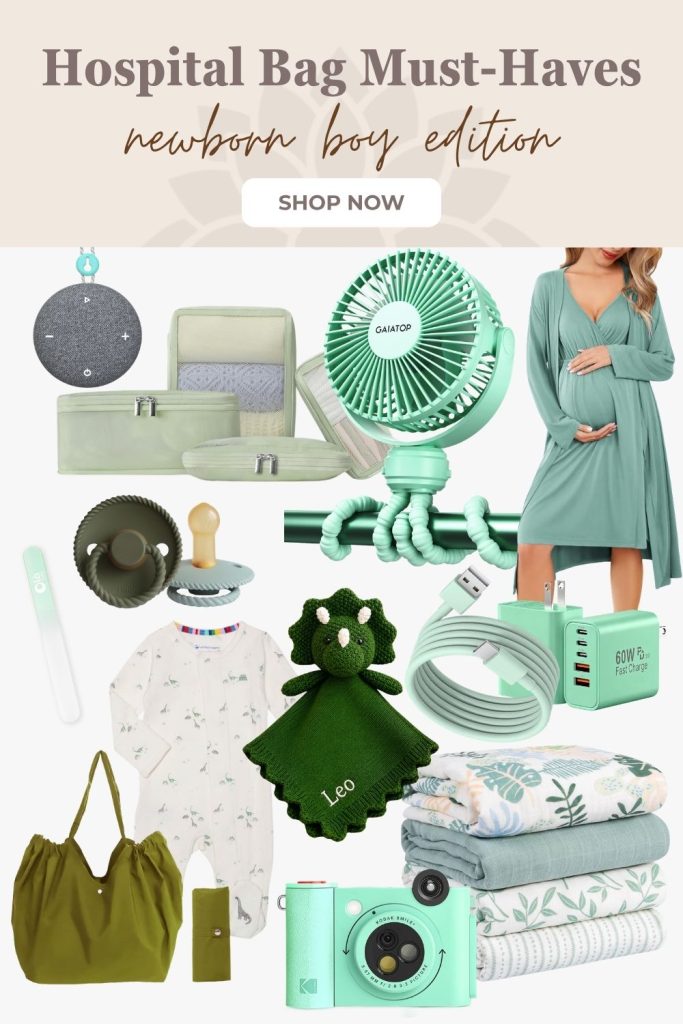
This list is the one I wish I’d had. Not just the practical hospital-bag basics — you’ve got those covered already: comfy pajamas, phone charger, toothbrush — but the second layer nobody tells you about. The things that make those first photos with your baby feel soft and calm instead of chaotic, and the things that make an unplanned, overwhelming stay just a little more comfortable. It’s not about buying more stuff. It’s about buying the right stuff — the things that photograph well, feel good on a newborn’s skin, and actually hold up during the blur of those first days.
As a photographer, I’ve done enough hospital sessions to know exactly which items earn their spot in the bag and which ones look great online but lose their charm the second a real baby is inside them. Most people bring way too much. Hospital rooms are tiny, and the hospital already supplies more than you’d expect. This list is about narrowing it down to what’s actually worth the space in your bag. Here’s my honest, photographer-approved breakdown — part personal experience, part professional opinion.
Hospital Photos and Home Photos – Which Is Better?
One more thing before we get into it: hospital photos and home photos are different things, and I think both are worth having. Ideally, both parents are included in both sets — but if mom had a hard labor or a c-section, she might not feel camera-ready on day one, and that’s completely fair. Get the hospital photos anyway. Do some yourself with your phone or an instant camera. Then plan a home session for a few weeks later, once everyone’s had a little time to recover. I still treasure the polaroid a NICU nurse took of me and my daughter the very first time I held her — even though, if I’m honest, I wish I’d had on a nicer bralette under my pajamas! Your baby will look completely different in just two or three weeks. There’s really no such thing as too many photos.
Since you’ll want to be ready whenever the moment comes, here’s where the packing list comes in.
(Haven’t grabbed it yet? My free Ultimate Hospital Bag Checklist covers everything for mom, baby, and your support person — this post is the deeper dive into the “why” behind a few of my favorite picks.)
This post contains affiliate links, which means I may earn a small commission on purchases made through them, at no extra cost to you.
The Underrated MVP of Your Hospital Stay: A Clip-On Fan
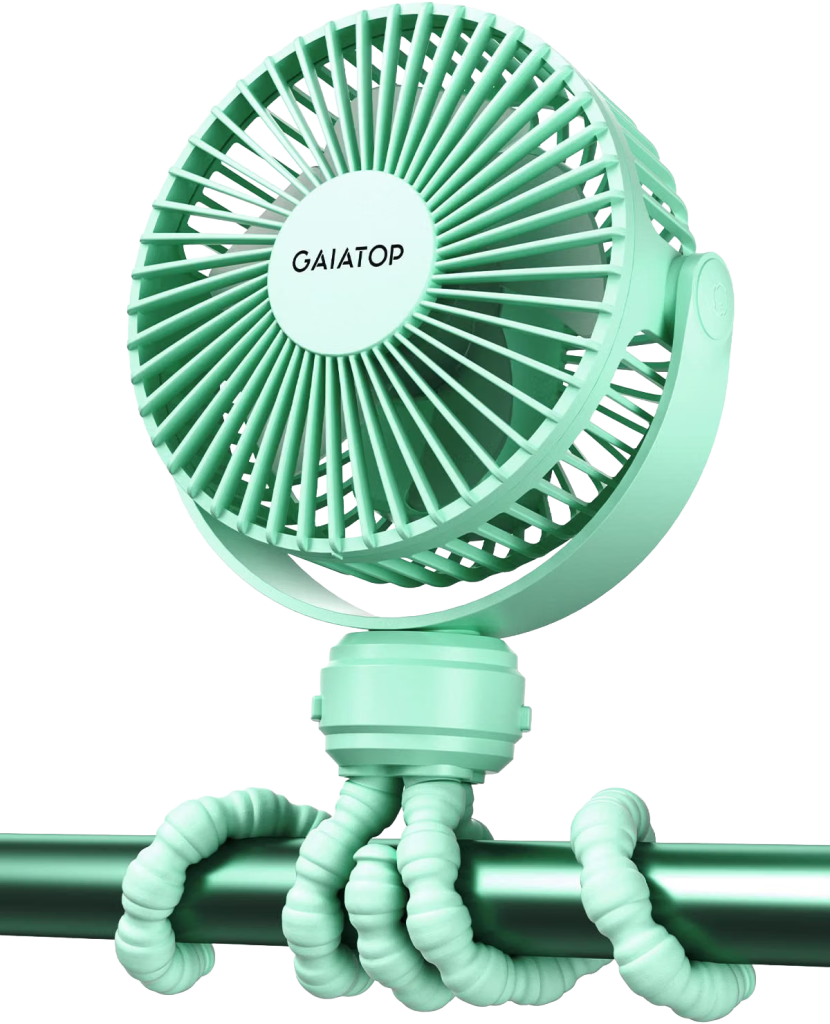
If I had to pick a single most-underrated item, it’s a small clip-on fan. Hospitals keep rooms warm for the baby, but the heating and cooling systems in older buildings aren’t always dialed in — and you will be the one sweating through labor, recovery, and every visitor who stops by. I love the stroller-style clip fans because they attach right to the bed rail or footboard and aim exactly where you need them. And they have a second life after delivery, going right back to their intended purpose clipped onto a stroller or car seat.
A Pretty Throw Blanket Does Double Duty
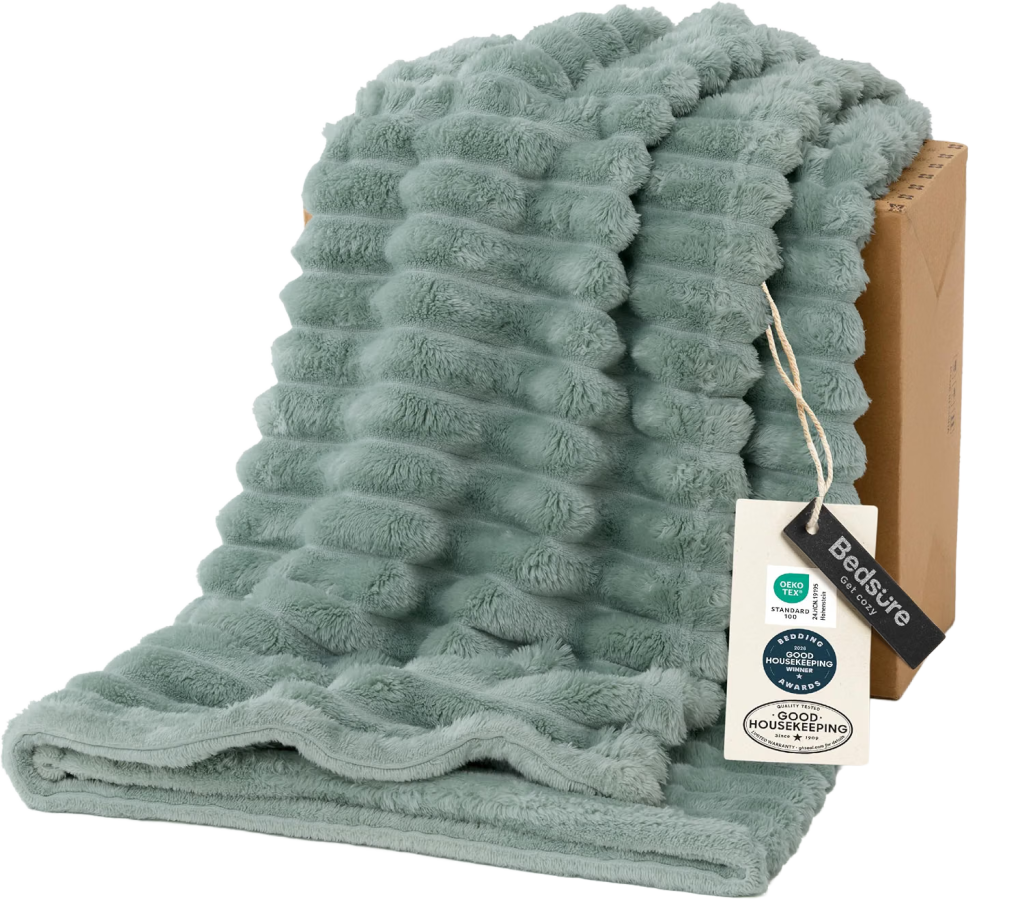
Hospital linens are built for durability and easy laundering, not comfort — that scratchy waffle-weave blanket is not going to feel good against your skin for two days. Bring a soft throw blanket from home. It’s an easy comfort upgrade, and it doubles as a simple, pretty backdrop for those first photos of your baby. Bonus: if the AC is blasting, you’ll be glad you have it.
Robes and Swaddles: Watch the Sleeve Length
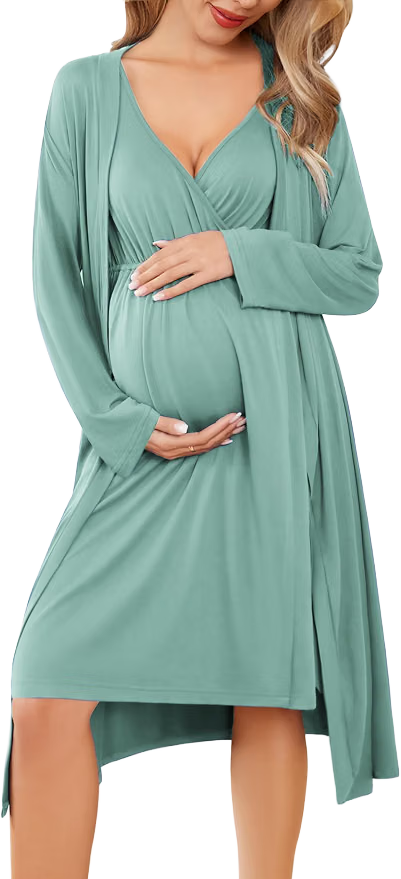
Matching mom-and-baby robe-and-swaddle sets are everywhere right now, and they’re lovely — but a lot of them come with 3/4-length sleeves. In the hospital, you’ll have an ID wristband and likely an IV site on your arm, and those short sleeves put both right on display in every photo. Long sleeves are harder to find in these matching sets, but worth seeking out if photos matter to you.
Swaddles: Skip the Velcro, Skip the Zippers
Here’s something worth saying upfront: what works for photos and what works at 3am while you’re half-asleep changing a diaper are not the same thing. Zippered and Velcro swaddles exist because they’re fast and easy — you can rewrap an overtired newborn one-handed in the dark, and honestly, most days that convenience wins. I’m not knocking them for everyday use.
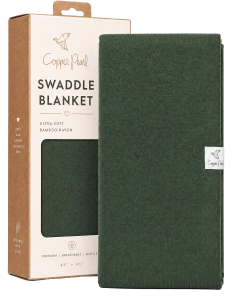
But for photos, those same features work against you. Zippers pull and pucker under the fabric, Velcro tabs create stiff lines and bulk, and both pull the eye away from your baby’s face. So it’s worth having at least one no-closure swaddle blanket set aside just for the photos.
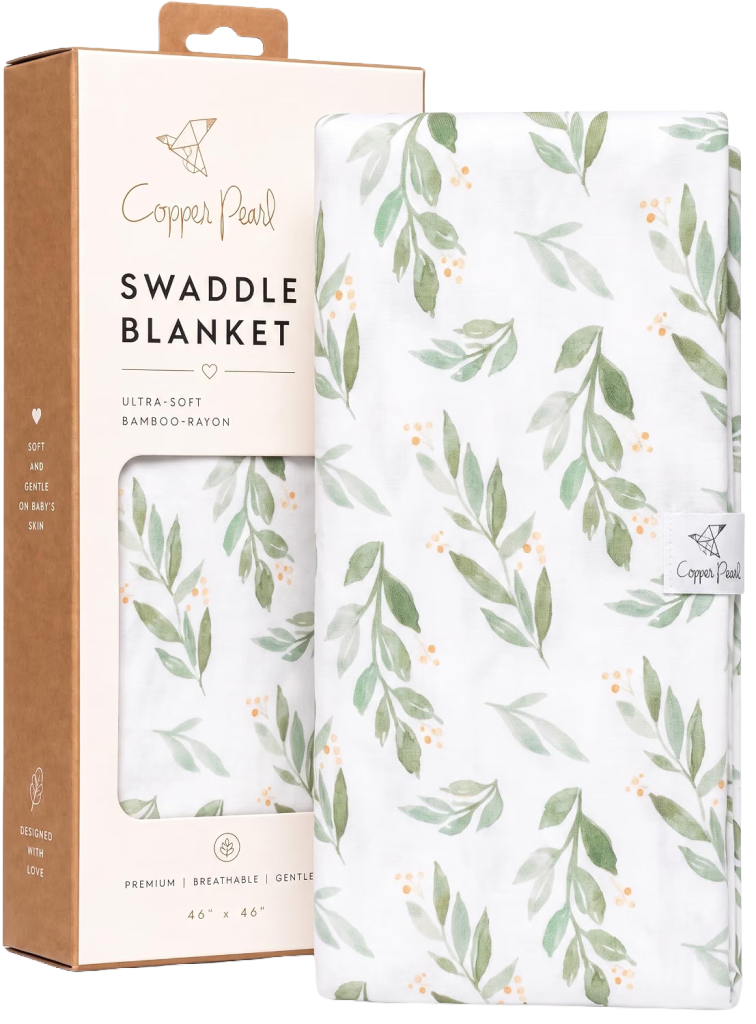
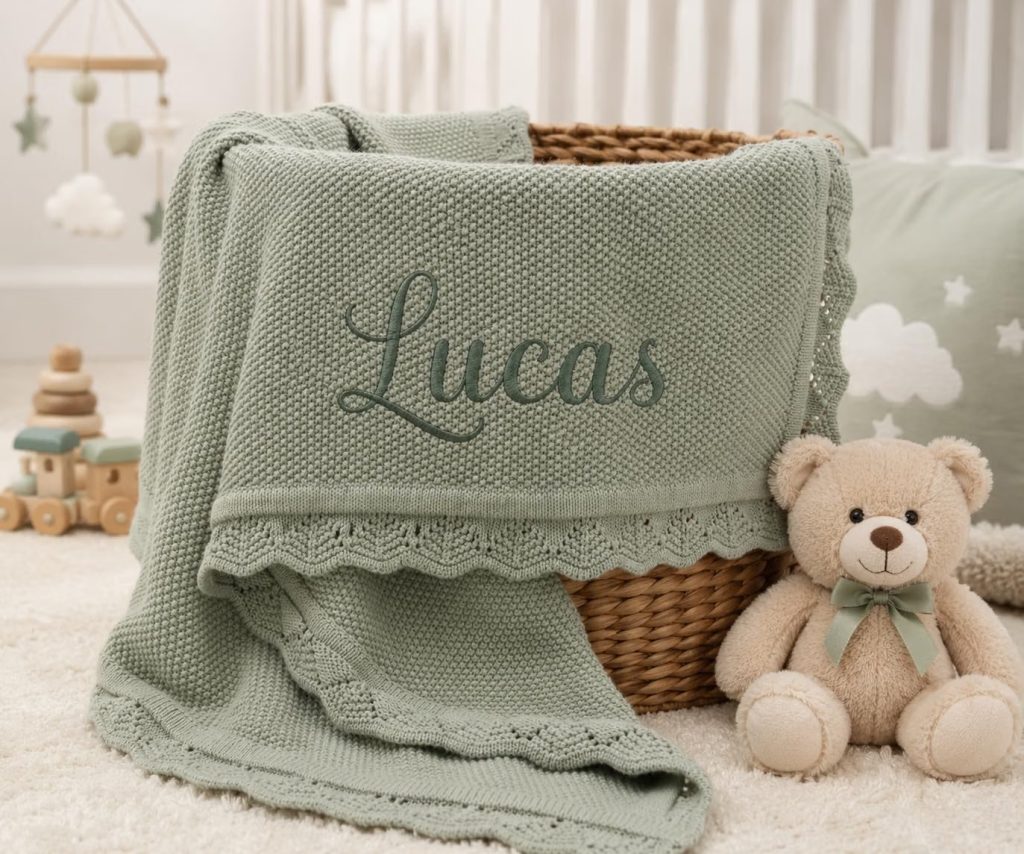
There are three types of swaddles you’ll see most often:
Stretchy knit swaddles — usually with a printed pattern, soft and flexible
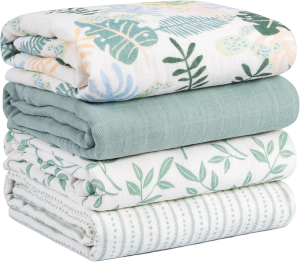
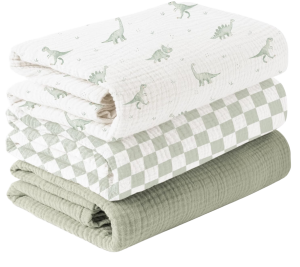
Muslin swaddles — a lighter, breathable woven fabric, often larger and non-stretchy
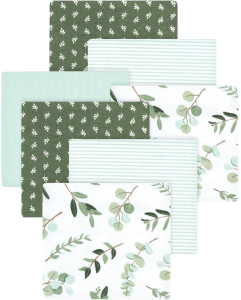
Receiving blankets — typically cotton flannel, also non-stretchy, much smaller than most muslin and stretch wraps
All three work beautifully. What matters is that they’re just a simple square or rectangle — no velcro, no zippers.
Thick handmade crochet or knit blankets are still worth having, but they don’t make good swaddles. They’re too bulky to wrap snugly around a newborn. Save those for a photo backdrop instead, and stick with a thinner knit, muslin, or flannel for the actual swaddle.
Baby Outfits: Why Fit Matters More Than the Label
Pack more than one size. Preemie, newborn, and 0-3 months can all be the right size depending on how your baby actually arrives — and sizes vary between brands just like adult clothing does. Don’t put too much stock in those “your baby is measuring big” comments at your ultrasounds either. I can’t count how many people were told they were having a huge baby and then went on to have a baby on the smaller side. You just don’t know until they’re here, so having a few sizes on hand covers you either way.
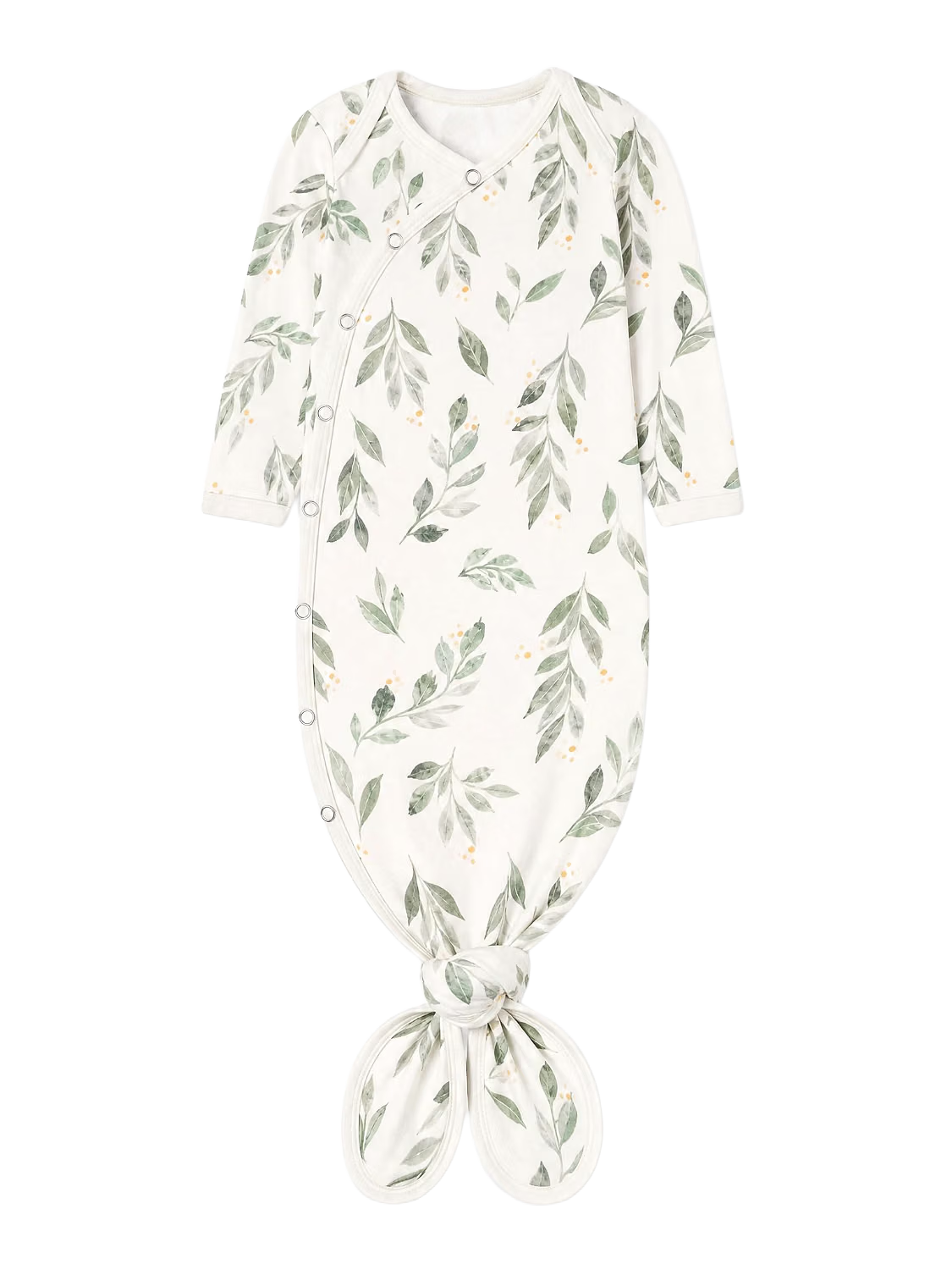
Gowns are a great option for a wide range of sizes, since you can knot the fabric at the bottom to adjust the length. The neck opening can run a little wide on smaller babies, but it usually tucks and folds around them just fine.
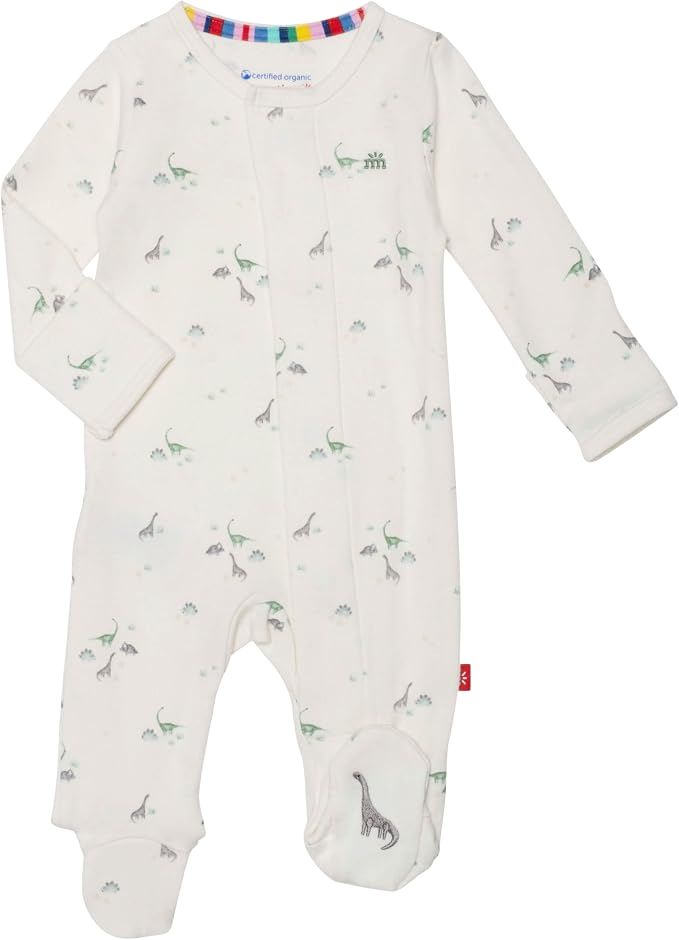
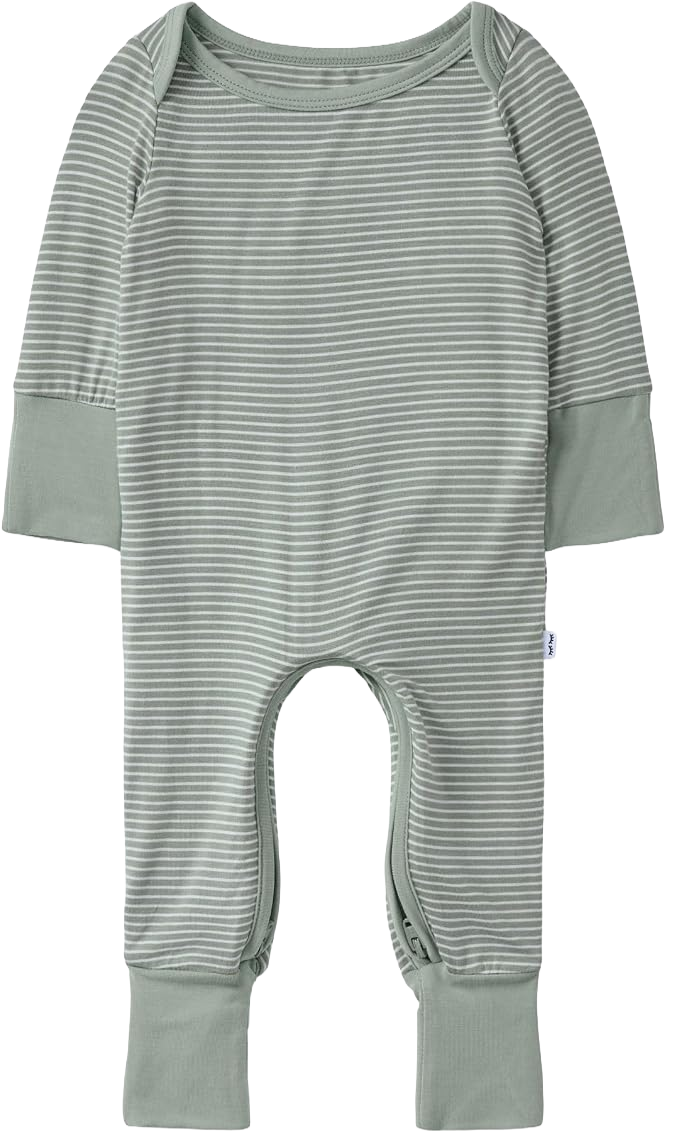
Zippered Sleepers look snuggly, but if they’re not the exact right size, that zipper tends to bunch and pucker in photos. I much prefer snap closures, and the newer magnetic sleepers check both boxes — they look polished in photos and they’re genuinely easy to use, especially one-handed during a diaper change.
Convertible sleepers — the ones with fold-over mitten cuffs and footies — are genuinely great. They hide the ankle ID band, but you can easily pull the cuff back for an adorable close-up of tiny toes or fingers.
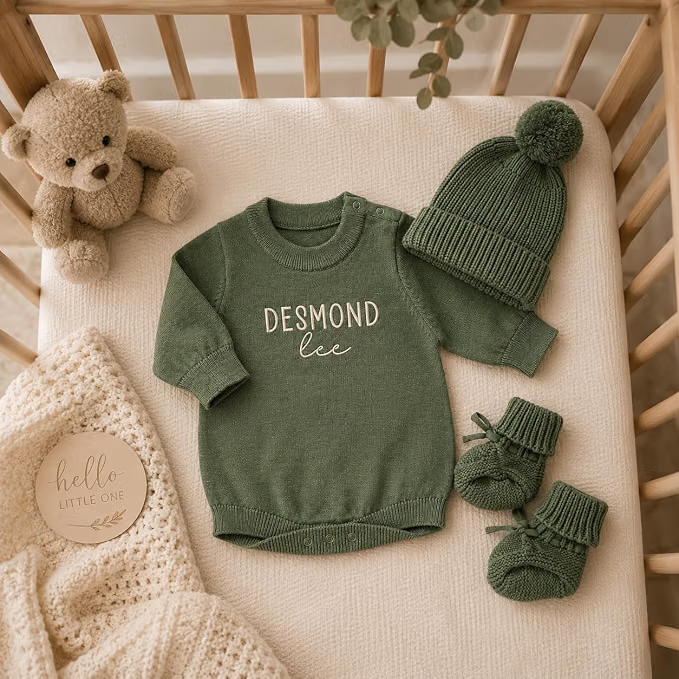
Sweaters and outfits with words are hugely popular right now, and I get the appeal — but think about how small and curled up a newborn actually is. You won’t be able to read a full sentence across a scrunched-up onesie. If it’s a longer first name, it needs to be embroidered small, not stretched armpit-to-armpit across an oversized sweater. I love that oversized look, but if there’s text on it, it should actually be legible in the photo.
A few things to skip:
- Tutus — scratchy against the skin, and unless there’s a onesie underneath, they leave arms, legs, and the upper body exposed to the cold
- Crochet outfits/hats — bulky, don’t stretch, and if it’s not the exact right size for your baby’s head, you’ll get visible gaps
When in doubt, prioritize comfort and a snug (not tight) fit over anything trendy — that’s what actually reads well in photos.
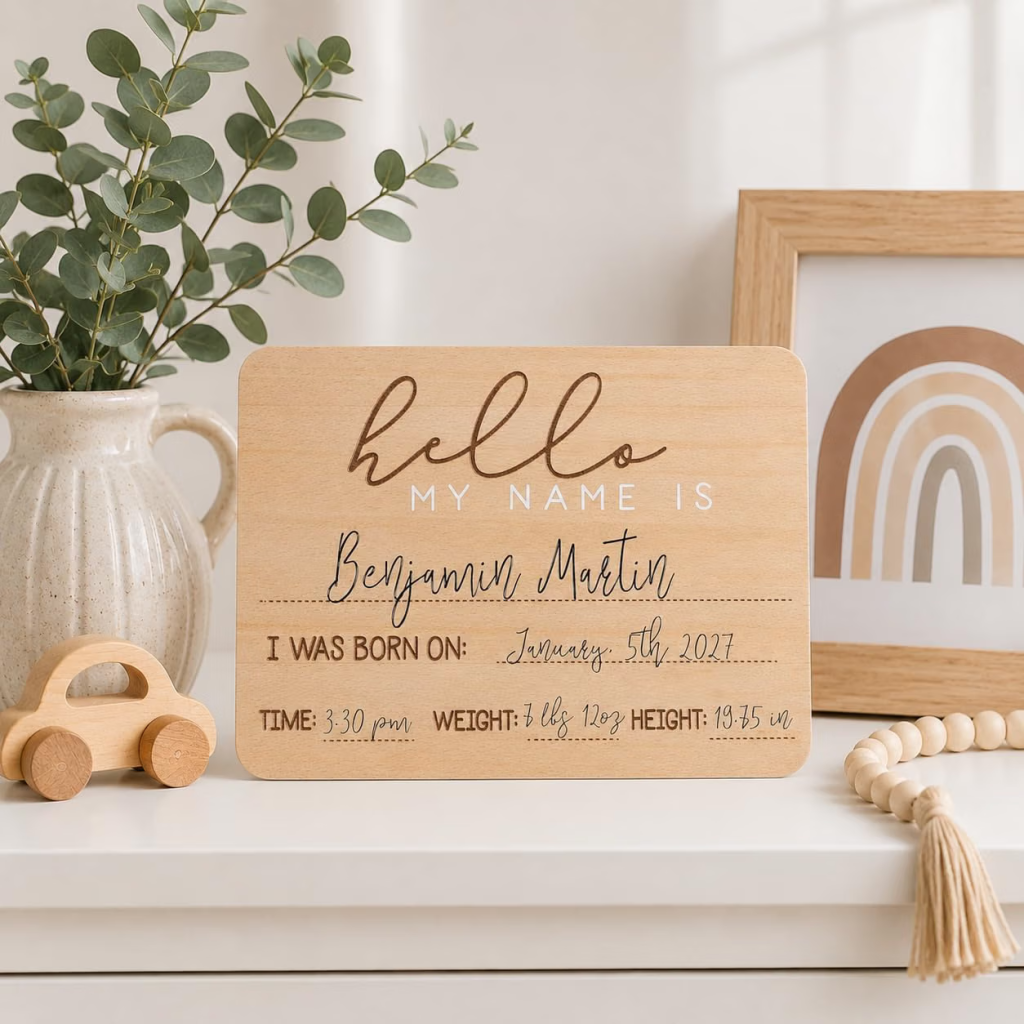
The Bow Sash (As Its Own Piece)
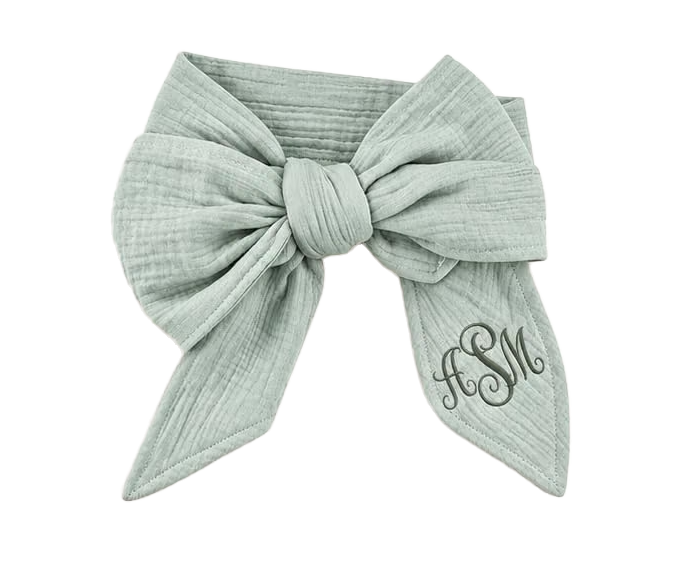
Bow sashes are a sweet detail, but skip the ones that come pre-attached to a swaddle. They’re much harder to wrap and get positioned correctly. Buy the sash and the swaddle separately — you’ll have way more control over how everything sits for the photo.
Stat Signs: Material and Shape Matter More Than You’d Think
A few strong opinions here:
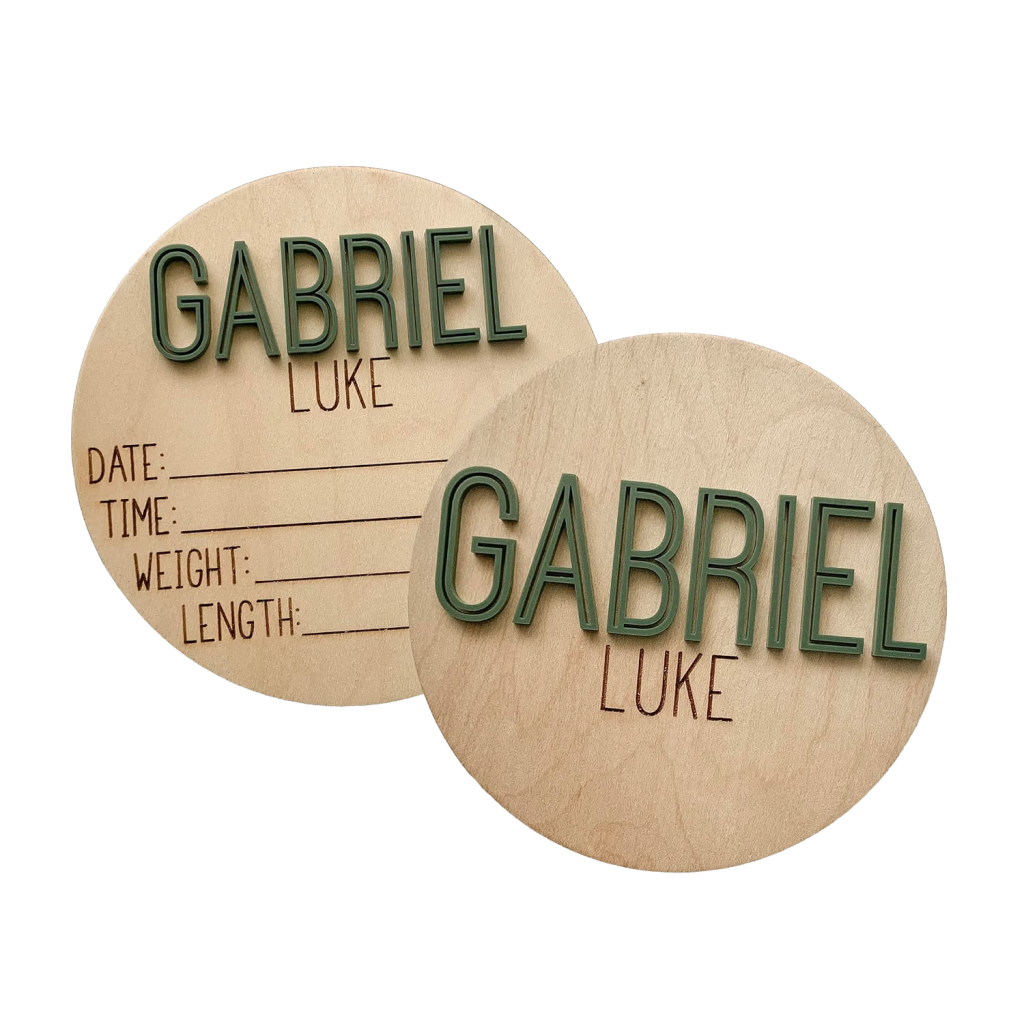
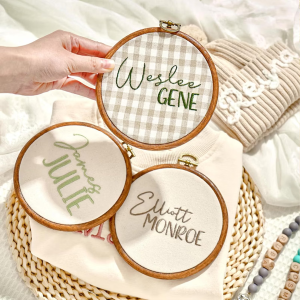
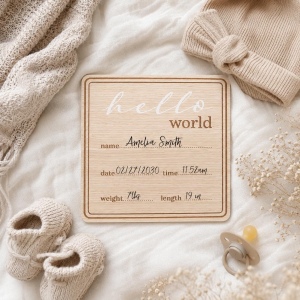
My favorite by far is a double-sided sign, personalized with the baby’s name on both sides and the stats on just one — it gives you flexibility in how you frame the shot.
Skip clear acrylic signs — they simply don’t read well in photos.
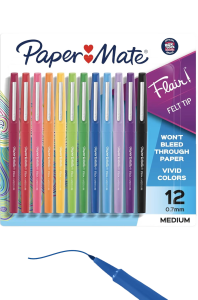
Wooden signs are great, but skip the sharpie. A felt-tip pen bleeds less into the wood grain and gives you a cleaner line.
Shape matters: round, square, and oval signs all photograph well. Arch-shaped signs are the one style I can’t get past — they read as tombstone-shaped to me, and once you see it, you can’t unsee it.
Bring an Instant Camera
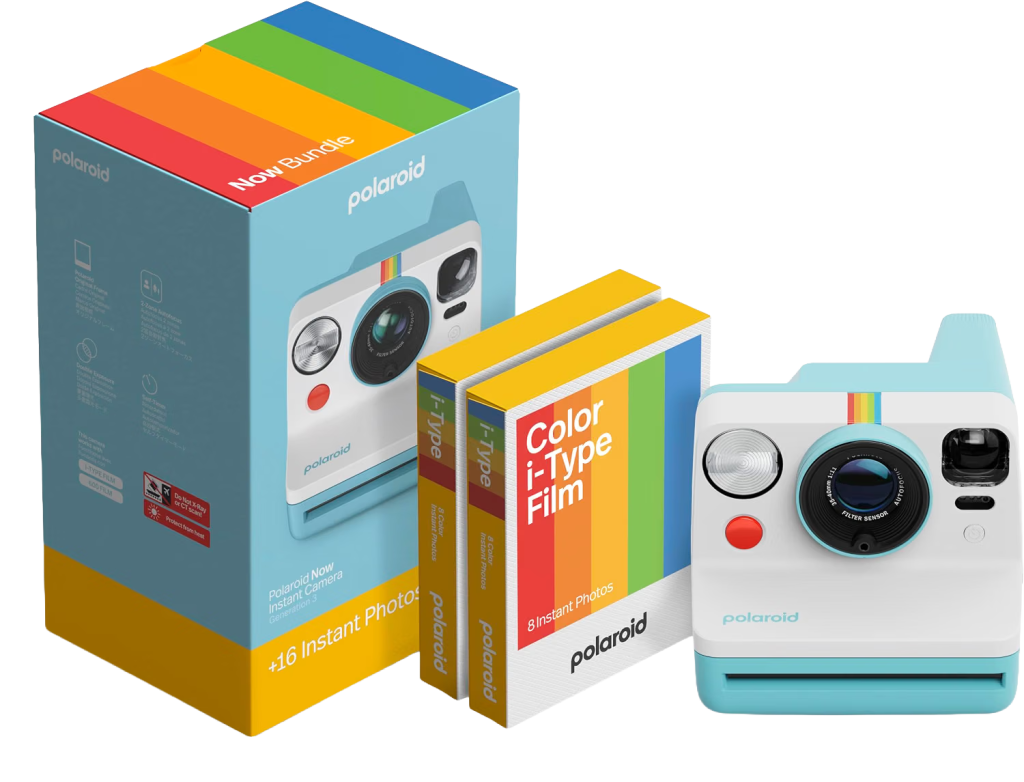
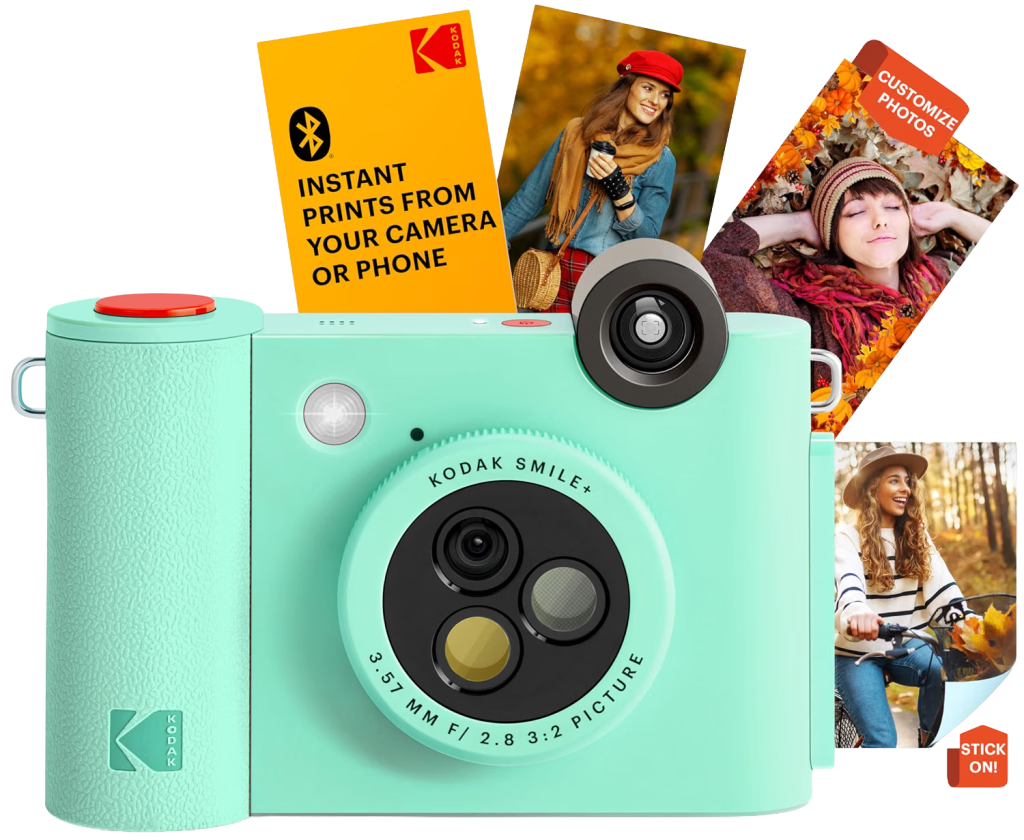
We all have phones, but there’s something genuinely fun about instant camera photos — especially if you’ve got an older sibling meeting the baby for the first time. It also makes for a cute little “gift” moment, framed as being “from the baby.”
There are a couple of styles worth knowing about. Some are classic Polaroid instant cameras that print directly from the shot you take. Others double as a printer for photos already on your phone — the Kodak Smile+ is a nice 2-in-1 option that does both, and it comes in some fun colors too.
[SHOP INSTANT CAMERA AND PRINTER →]
Sibling Outfits: Keep It Simple
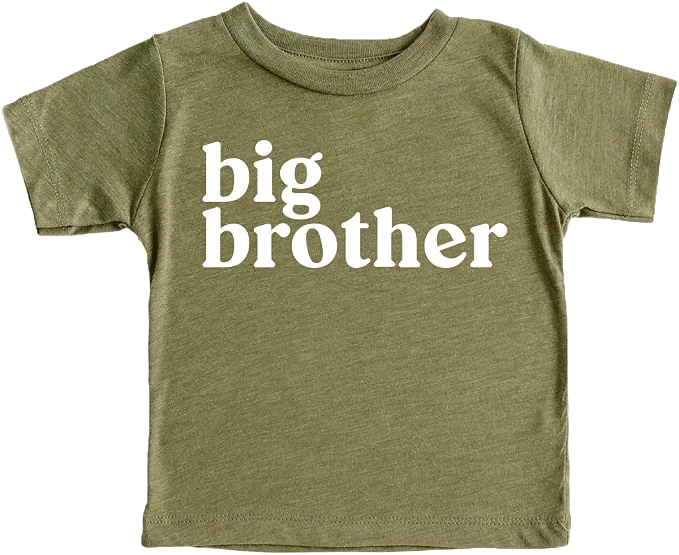
Same rule as the baby’s clothes applies here — you can’t read a long saying on a shirt when a toddler is holding a newborn close to their chest. Short phrases like “big brother” or “big sister” work fine, but skip anything wordy or complicated. Solid colors or small, subtle prints photograph best. And above all, make sure the outfit is genuinely comfortable — there’s nothing sadder in a photo than a big sibling’s forced smile because they’re distracted by a scratchy tag or itchy fabric.
The Small Stuff That Makes a Big Difference
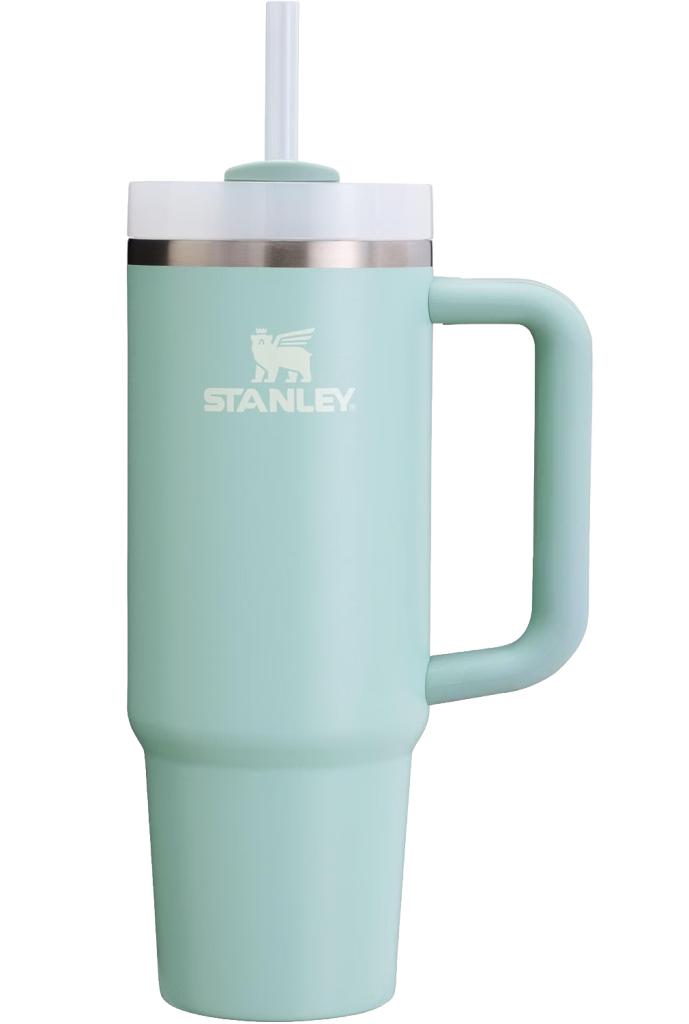
A reusable water bottle — with a straw, so you can hydrate while lying down, and insulated stainless steel so it stays cold for hours. It also means you’re not stuck drinking out of Styrofoam cups for two days.
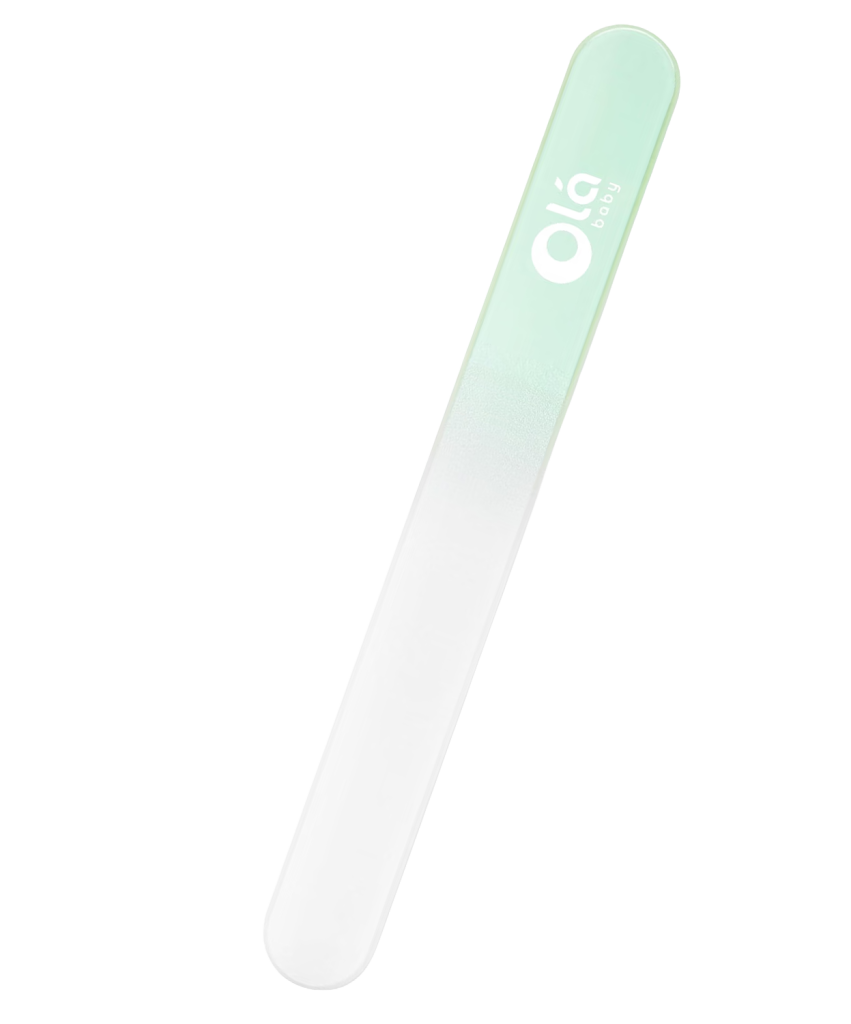
Baby nail files, not clippers. This is one of the most forgotten items on every list. Newborn nails are sharp, and babies go straight for their own face with them (remember those ultrasound photos of a hand right up in their face?). Clippers feel terrifying with fingers that tiny. A rounded glass nail file is smooth against their skin and much less intimidating to use. I’ve also seen finger-mounted versions that seem like they’d make it much easier to file while holding a wiggly newborn.
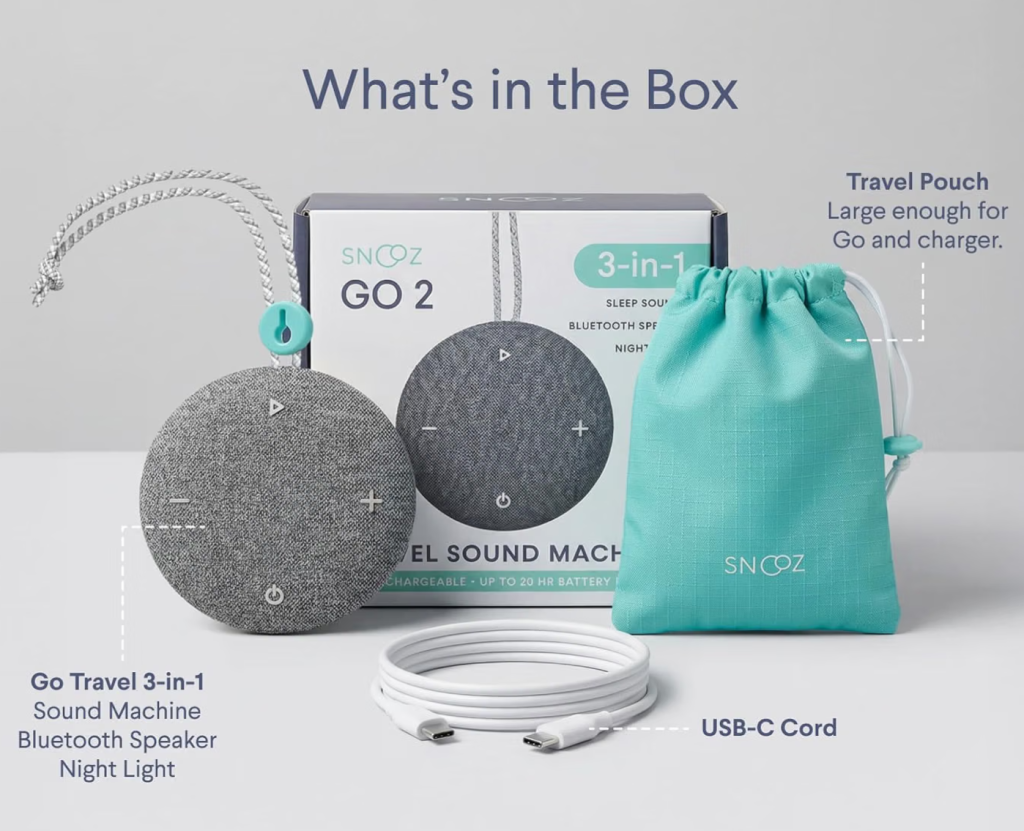
A small, rechargeable sound machine with multiple sound options. I’m personally sensitive to standard white noise, so having a range — brown noise, pink noise, rain, even a heartbeat/doppler sound — lets you find what actually works for both you and the baby.
[SHOP PORTABLE SOUND MACHINES →]
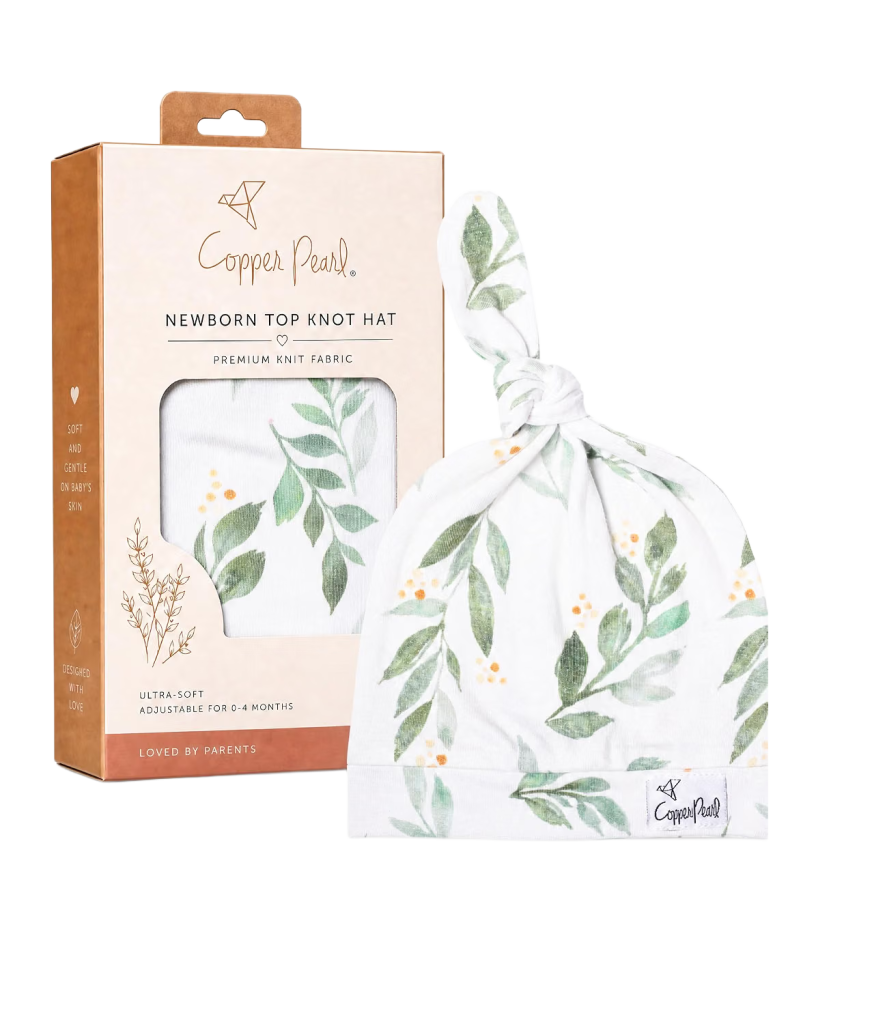
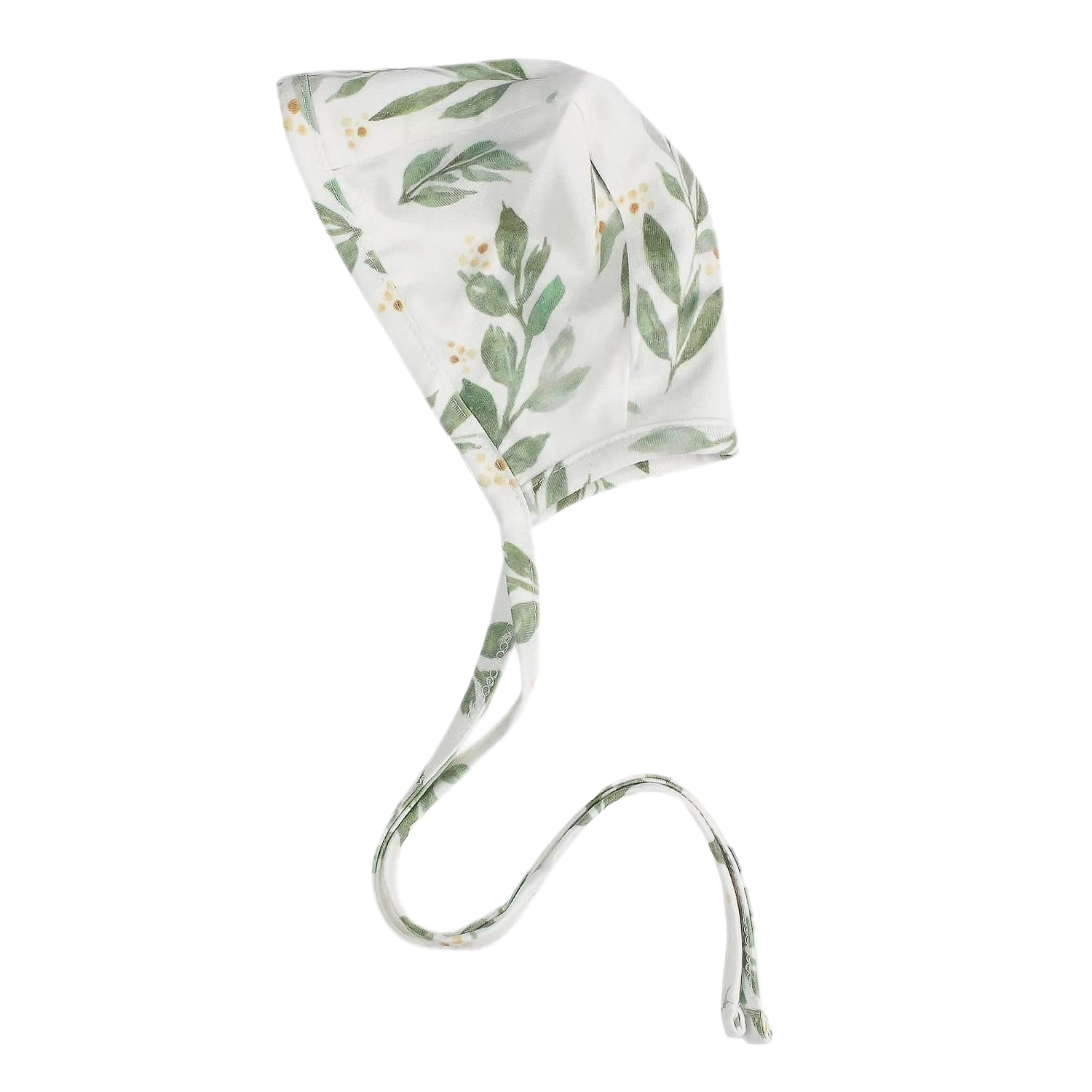
Hats and headbands in a few sizes. Newborn head sizes and shapes vary more than you’d expect. There are so many cute styles out there, but size is really what matters most. If your baby’s head shape is a little more elongated right after delivery (very common, and it rounds out on its own within a few weeks), a bigger bow with a thicker band, or a hat, tends to sit better and look more proportional. On a smaller newborn, an oversized bow can end up looking silly — bigger than the baby’s whole face. If a headband runs big regardless, ask your nurse for a bit of medical tape — I like paper tape specifically, since it’s thin and gentle on delicate skin — and fold and tape the back of the band to snug it up. These headbands come in enough styles and prints that you can usually find ones that match some of the swaddles I mentioned earlier.
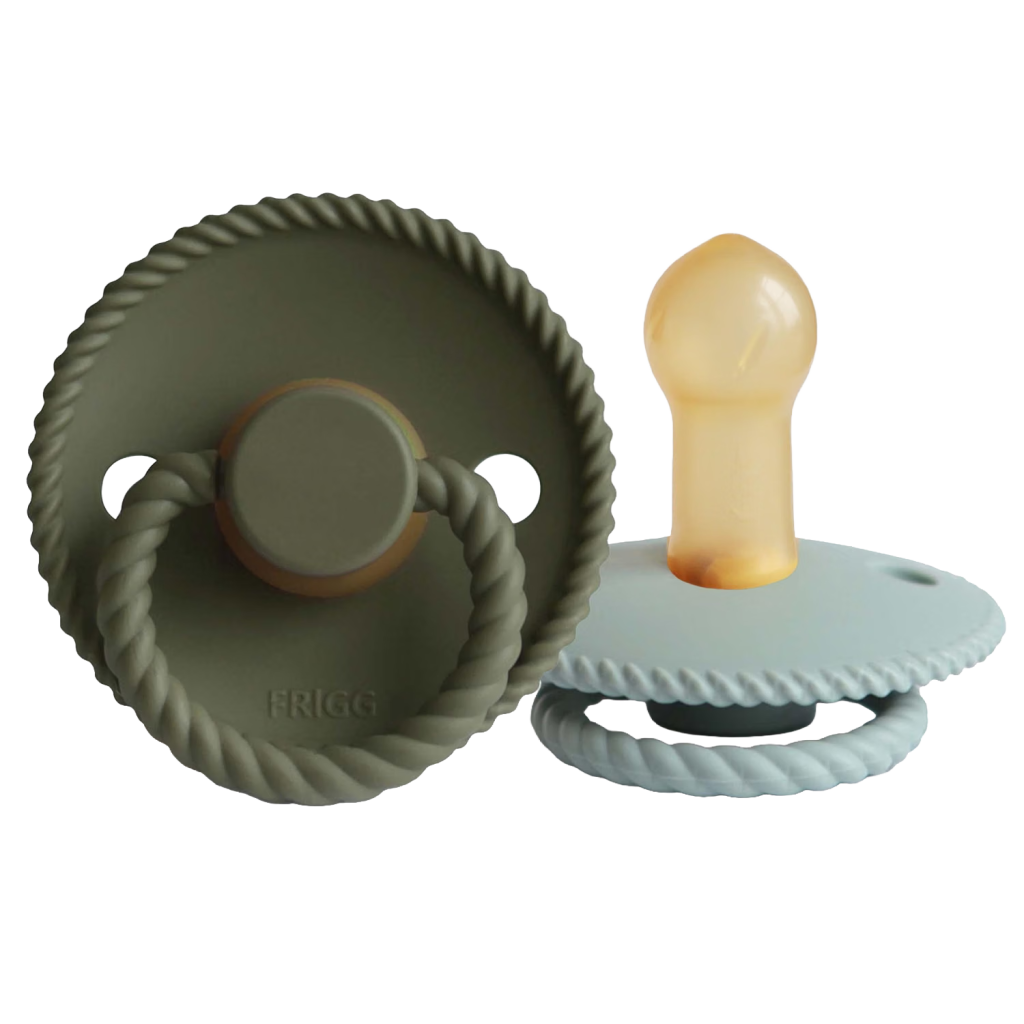
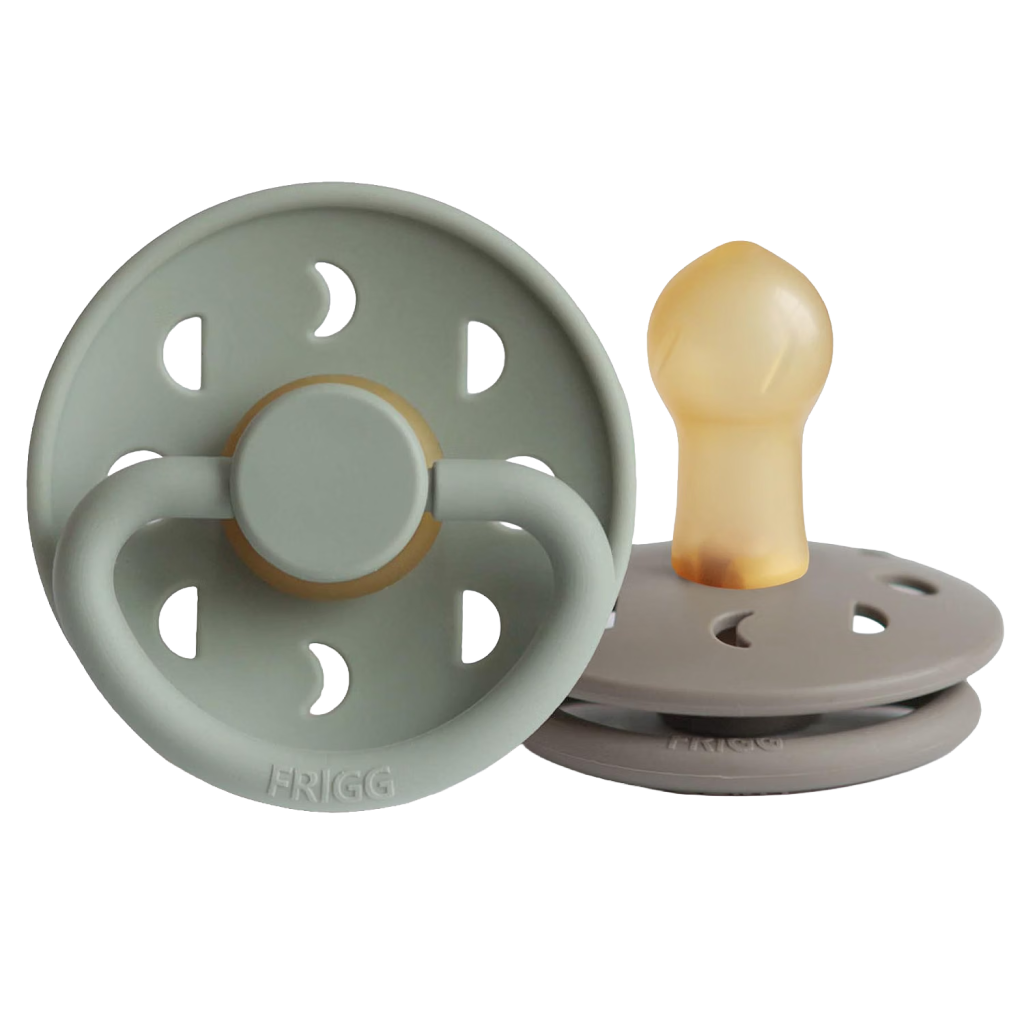
A cute pacifier, if you’re planning to use one. Hospital pacifiers are great, but some babies have trouble holding onto this style, and you end up holding it in place yourself. I like the bulb-shaped ones — they seem to be easier for babies to keep in, and they come in much cuter colors and shapes.
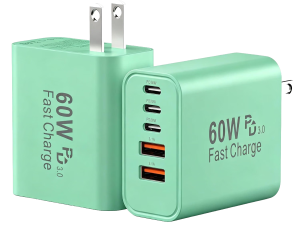
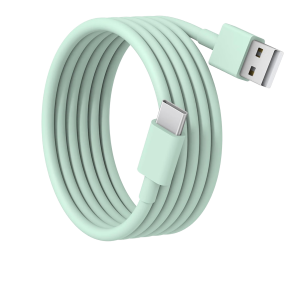
Chargers. Bring at least one 10-foot cable so you can actually use your phone from the bed, plus a multi-port charging block. Between your phone, your partner’s phone, the clip fan, and the sound machine, you’ll run out of outlets fast.
[SHOP THE MULTI-PORT CHARGER →]
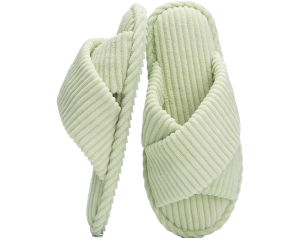
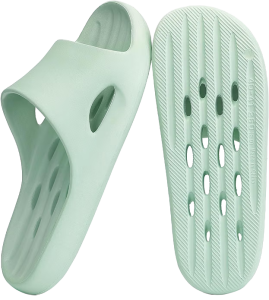
Slippers or sandals. You don’t want to be barefoot — or stuck in grippy hospital socks — on that floor for two days.
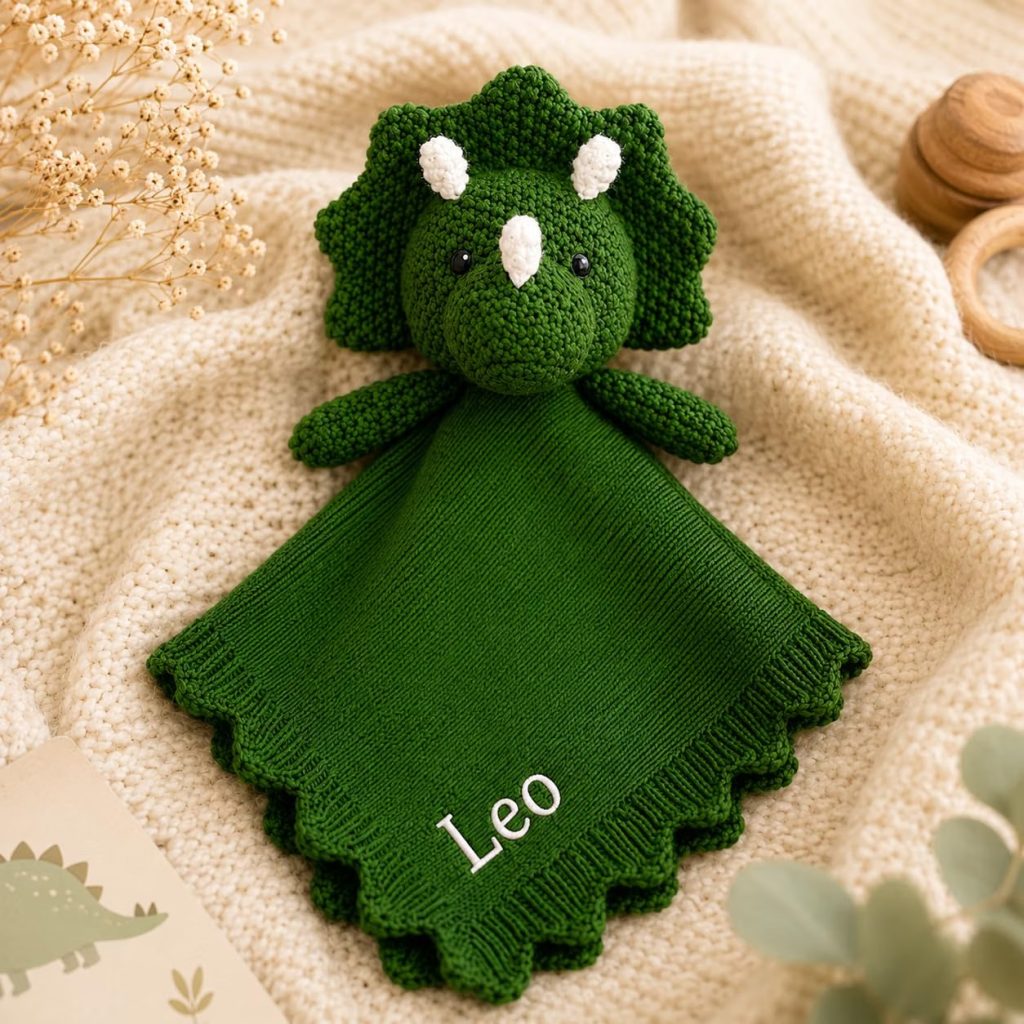
A small lovey for photos. Something a baby can “hug” that isn’t too bulky makes for the sweetest detail shots. My favorite are the tiny knit loveys where the whole body is just a soft blanket — I love this version of a pink bunny with the baby’s name embroidered right on it.
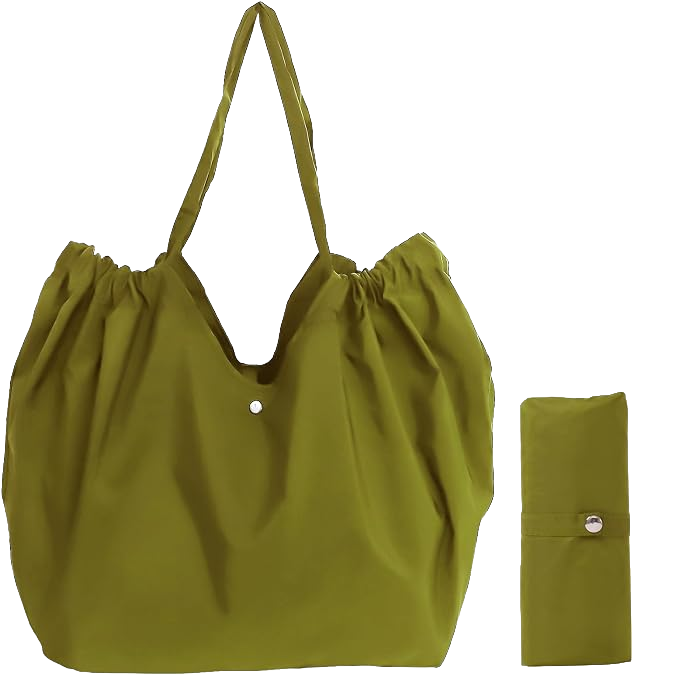
An extra, foldable bag for gifts and supplies you’ll accumulate before heading home. One that adjusts in size and packs away flat is ideal.
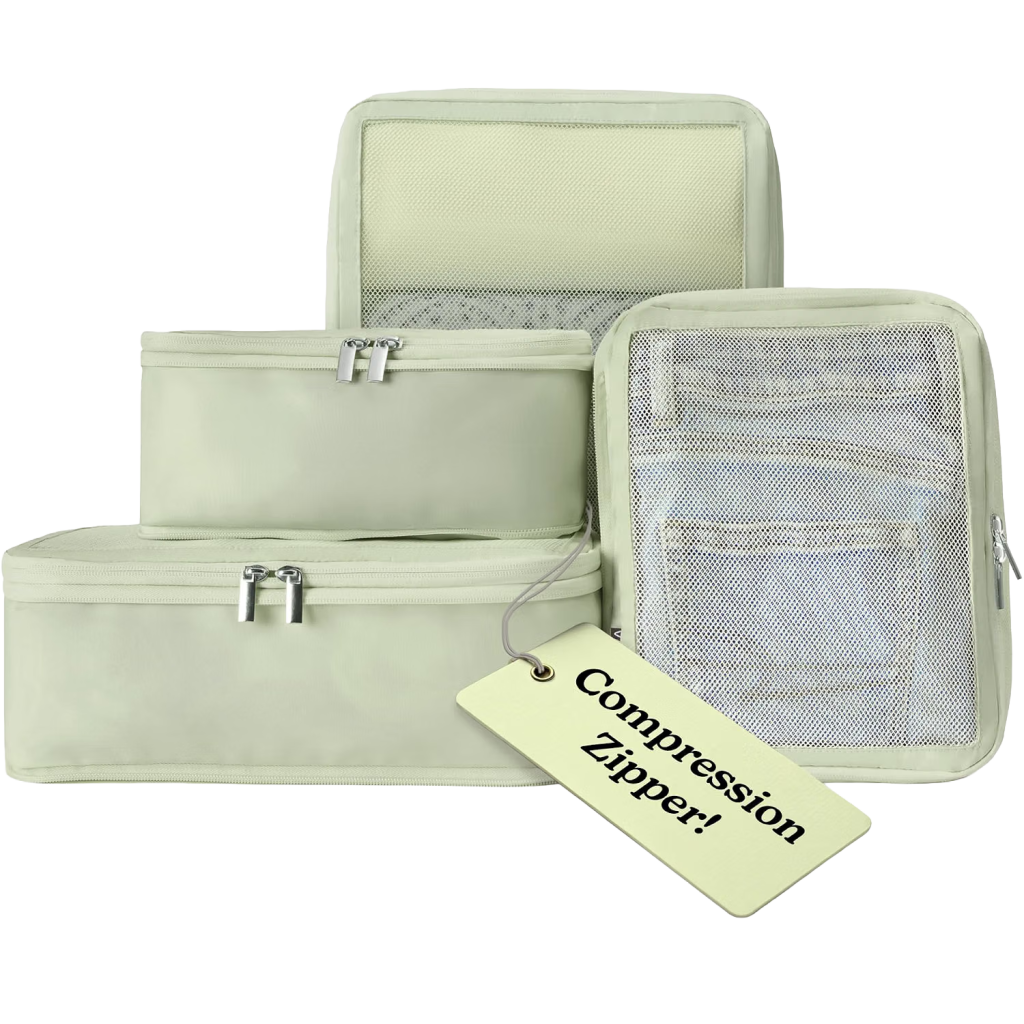
Packing cubes. They help so much once things start feeling chaotic — everything has a place instead of getting shoved in loose. Look for ones with tough compression zippers, so if you’ve packed a few too many swaddles and bows, the cube still zips shut and fits in the bag.
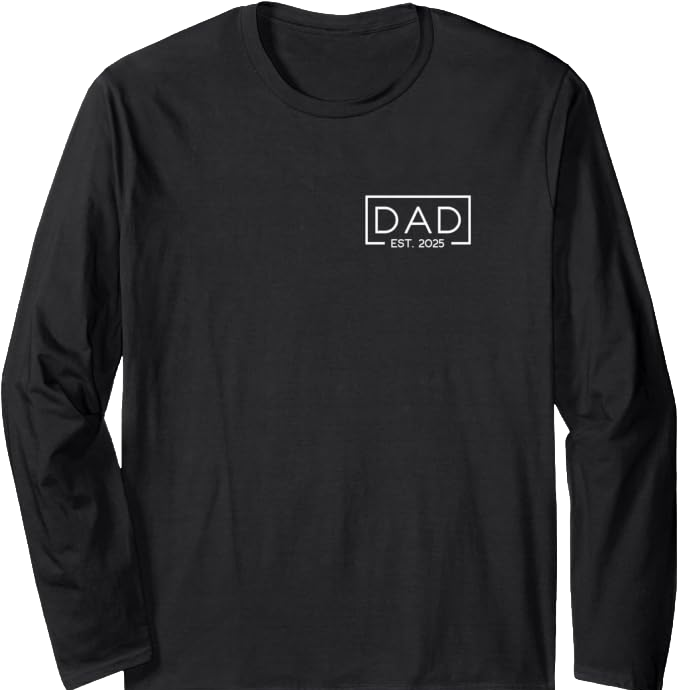
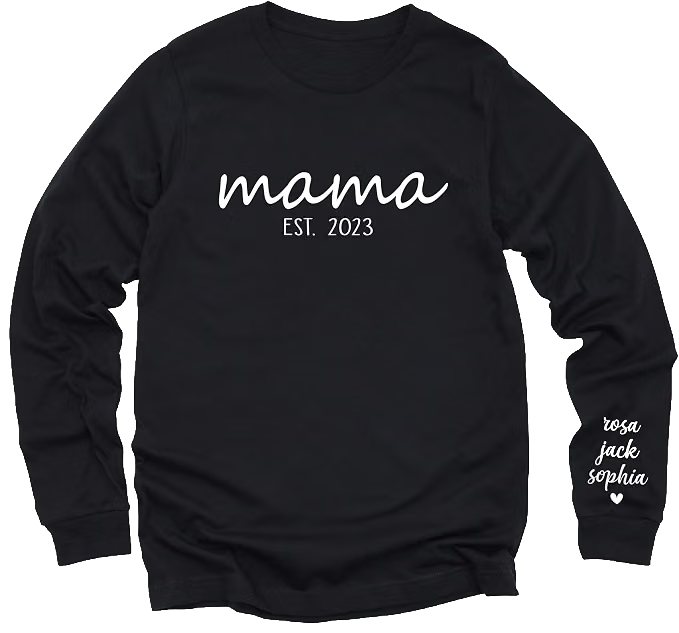
Don’t forget your partner’s outfit, too. A plain long sleeved shirt with no logo is almost always the right call for photos. That said, there are some cute simple shirts out there — I’d stick to a small graphic on the chest rather than a whole-shirt design. The ones that just say something like “Dad/Mom Est. 2027” are perfect.
If this list feels like a lot, that’s exactly why I made the Ultimate Hospital Bag Checklist — a free download that lays all of this out so you can pack once and stop thinking about it. Grab it, pack smart, and get your hospital photos — imperfect, chaotic, or otherwise. Then, once you’re home and settled, book a session to capture your baby again in a few weeks, once things have calmed down and everyone’s had a chance to heal. Both sets of photos matter, and you really can’t take too many.
This post contains affiliate links. I may earn a small commission on purchases made through these links, at no extra cost to you.